Reviewing Kitchen Embroidery for Holiday Collections
As an embroidery designer who spends countless hours digitizing and testing patterns, I approach every new machine embroidery design with a critical eye. It is not just about whether the pattern looks good on a screen; it is about how it performs in the real world, especially during the high-stakes holiday season. When I first loaded the Kitchen Embroidery file into my software, my immediate impression was one of warmth and utility. This is not merely a decorative element; it is a storytelling piece that speaks to the heart of the home. For Etsy sellers and small business owners preparing their seasonal inventory, this design offers a versatile foundation for creating products that feel both personal and premium.
The Aesthetic Appeal and Seasonal Mood
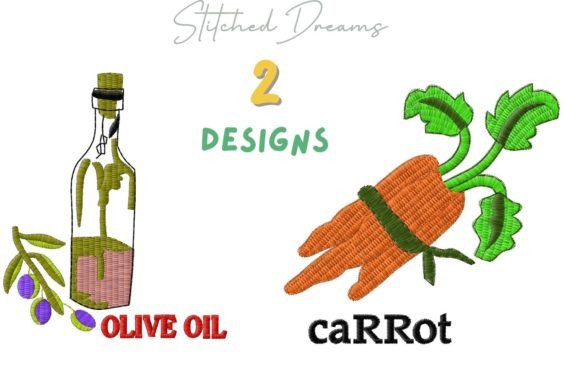
The visual tone of Kitchen Embroidery strikes a balance between rustic charm and modern elegance. It avoids the overly cartoonish look that can sometimes plague holiday designs, opting instead for a sophisticated style that appeals to a broad demographic. Whether you are targeting customers looking for cozy winter vibes or those seeking a clean, minimalist aesthetic for their home decor, this design adapts well. The detail level is sufficient to create visual interest without becoming so dense that it compromises the fabric’s drape. This makes it an ideal candidate for seasonal embroidery projects where texture and comfort are paramount.
When considering the emotional impact, this design evokes feelings of nostalgia and hospitality. It reminds buyers of family gatherings, homemade meals, and the joy of giving. For a handmade gift, these emotional connections are crucial. A customer is not just buying a towel or an apron; they are buying the feeling of being cared for. This underlying sentiment can significantly boost conversion rates during the busy holiday shopping period.
Strategic Product Applications for Holiday Sales
One of the strongest assets of this digital embroidery file is its versatility across various product categories. As you plan your holiday collection, consider how this design can be applied to different items to maximize your return on investment.
- Kitchen Towels and Tablemats: This is the most obvious application. The design shines on high-quality cotton or linen blends. Ensure you use a cut-away stabilizer to prevent puckering after repeated washing, which is common for kitchen linens.
- Cooking Aprons: A personalized apron featuring this design makes a perfect gift for the favorite chef in the family. Position the embroidery on the bib or the lower corner for a professional finish.
- Sweatshirt Embroidery: Moving beyond the kitchen, this design works beautifully on crewneck sweatshirts. Place it on the left chest for a subtle, branded look, or go larger on the back for a statement piece. This expands your market from home decor to apparel.
- Tote Bag Design: Canvas tote bags are huge sellers during the holidays. The sturdy fabric handles the stitch density well, and the design adds value to what is otherwise a simple accessory.
- Pillow Covers and Home Decor: For a cozy living room vibe, embroider this onto neutral-toned pillow covers. It adds a touch of seasonal flair without being overwhelmingly festive, allowing the item to remain relevant beyond December.
For those creating gift bundles, consider pairing an embroidered towel with a matching oven mitt or pot holder. These sets increase the average order value and provide a ready-made solution for shoppers who are short on time.
Technical Considerations and Production Notes
While the design is high quality, successful production depends on your technical execution. Before listing any finished product in your shop, you must conduct thorough testing. Here are critical factors to review:
- Fabric Texture and Stabilizer: Kitchen towels often have a waffle weave or terry cloth texture. You may need a water-soluble topping to keep the stitches from sinking into the loops. Always test on the exact fabric weight you intend to sell.
- Thread Colors: The default colorway might not suit every background. Test the design on both light and dark fabrics. On dark garments, you might need to adjust the underlay or use a white base layer to ensure vibrancy.
- Hoop Size: Check the specific dimensions of the file. If you are working with a small hoop size, ensure the design fits without compromising the border. For larger items like aprons, you might need to resize, but be cautious of distorting the proportions.
- Stitch Density: Review the stitch count relative to the area. If the density is too high for lightweight fabrics, it could cause tearing or stiffness. Adjust your tension settings accordingly.
It is also vital to confirm commercial licensing before selling. Since this is described as an original design with proven quality, ensure you have the rights to use it for commercial embroidery purposes. Most reputable designers allow finished product sales, but restrictions on reselling the embroidery file itself are standard.
Marketing and Visual Presentation
In the digital marketplace, presentation is everything. Use this design to create compelling printable mockup images for your Etsy listings. Show the embroidery in context: a steaming mug next to the towel, or a model wearing the apron while baking. These lifestyle shots help customers visualize the product in their own homes.
Social media previews should highlight the texture and shine of the thread. Close-up videos of the stitching process can build trust and demonstrate the quality of your work. Emphasize terms like personalized gift and holiday embroidery in your captions to capture search traffic. Remember, consistency in your brand visuals helps build recognition. If this design fits your shop’s aesthetic, use it across multiple product types to create a cohesive collection.
Avoiding Common Pitfalls
While versatile, there are scenarios where caution is needed. Avoid using this design on highly stretchy garments without proper stabilization, as the embroidery may warp over time. Be mindful of tiny lettering if the design includes text; small details can get lost on thick fabrics like terry cloth. Additionally, if you are using metallic thread for a festive touch, slow down your machine speed to prevent breakage and ensure smooth coverage.
For curved surfaces like caps, the design might require special hooping techniques or adhesive stabilizers to prevent shifting. Always do a test run on scrap fabric before committing to your final inventory.
Final Thoughts for the Seasonal Seller
The Kitchen Embroidery design represents a solid addition to any holiday product line. Its blend of aesthetic appeal and practical application makes it a reliable choice for creating high-value items. By focusing on quality production, strategic marketing, and thoughtful product pairing, you can leverage this design to boost your sales and delight your customers. Remember, the goal is to create items that not only look beautiful but also stand up to the rigors of daily use. With careful attention to detail and a clear understanding of your target audience, this design can become a staple in your seasonal offerings.