Reviewing Grammy Machine Embroidery for Brand Merch
As an embroidery designer who has spent years digitizing logos and testing files for small business clients, I approach every new machine embroidery design with a critical eye. It is not just about whether the design looks pretty on a screen; it is about how it performs on fabric, how it holds up in the wash, and how it elevates a brand’s identity. Recently, I took a close look at Grammy Machine Embroidery, a digital file categorized under Mother themes, to evaluate its potential for commercial use. This review focuses on its application for branded patches, uniforms, and handmade merchandise rather than just personal crafting.
First Impressions: Visual Personality and Style
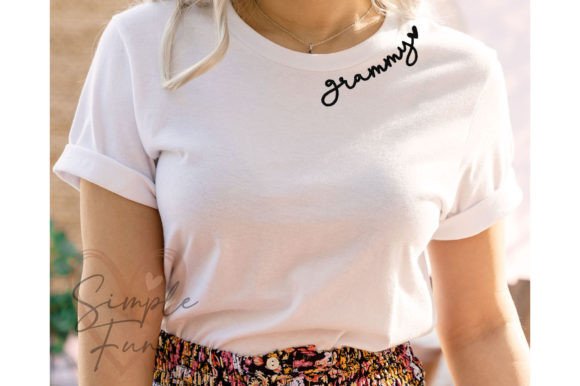
The first thing I noticed about Grammy Machine Embroidery is its inherent warmth. The title suggests a connection to family, heritage, and care, which translates into a visual style that feels both classic and inviting. For a boutique owner or a creative studio, this aesthetic can be powerful. It does not scream "corporate"; instead, it whispers "handmade quality." This makes it an excellent candidate for businesses that want to project trust, approachability, and a personal touch.
When reviewing the design elements, I looked for balance. Is it too busy? Will the details get lost? The description notes that it brings unique style and personality, which is crucial for standing out in a saturated market. For brands in the lifestyle, bakery, florist, or pet care sectors, this design offers a decorative yet professional accent that can soften the look of staff uniforms or add charm to product packaging.
Real-World Applications for Small Business Merch
The true test of any embroidery file is its versatility in real-world scenarios. Here is how I envision Grammy Machine Embroidery performing across various commercial products:
- Embroidered Patches: This is perhaps the strongest use case. A well-digitized patch can be sewn onto denim jackets, canvas totes, or aprons. If the design has clean outlines, it will create a durable, high-value item that customers love to wear.
- Staff Uniforms and Aprons: For a local café or boutique, placing this design on the chest of an apron adds a layer of professionalism. It signals that the staff takes pride in their work. However, placement is key; it should be centered and proportionate to the garment size.
- Cap Embroidery: Caps are tricky due to the curved surface. If the design is compact, it works beautifully on the front panel. It serves as a subtle brand marker that increases recognition without being overwhelming.
- Tote Bag Design: Canvas bags are popular for retail giveaways. The texture of canvas interacts differently with thread than cotton. This design could serve as a central focal point, turning a simple bag into a desirable accessory.
- Custom Apparel for Events: Whether for a family reunion business or a community event, this design fits the "Mother" category perfectly, appealing to a demographic that values sentiment and connection.
Technical Considerations for Production
Before running a production batch, there are several technical factors to consider. As a designer, I always advise checking the stitch density. If the density is too high, the fabric may pucker, especially on lighter materials like t-shirts. If it is too low, the backing might show through. Since the specific stitch count is not provided in the basic description, you must inspect the file in your embroidery software before hooping.
Fabric texture also plays a massive role. On thick towels or denim, the design needs sufficient underlay stitches to anchor it properly. On smooth polyester blends, you might need a different stabilizer approach to prevent shifting. Always test on the actual fabric you plan to use for your finished product.
Another critical aspect is thread colors. The design’s impact relies heavily on contrast. For dark uniforms, ensure the design uses bright or metallic threads to pop. For light-colored tote bags, earthy or pastel tones might enhance the "handmade" feel. I recommend creating a printable mockup with different colorways to see which combination best aligns with your brand identity.
Where to Use Caution
While versatile, Grammy Machine Embroidery may not be suitable for every application. Be cautious when using it on very small items where fine details could merge. If the design includes tiny lettering or intricate outlines, it might lose definition at a smaller scale. Additionally, avoid placing complex designs on highly textured fabrics like heavy wool unless you have tested the stabilizer thoroughly.
For items that undergo frequent industrial washing, such as restaurant uniforms, ensure the design is securely anchored. Poorly digitized edges can fray over time, damaging the professional look of your small business merch. Always verify the durability by washing a test sample multiple times before committing to a large order.
Enhancing Brand Identity and Customer Trust
In the world of commercial embroidery, consistency is king. Using a cohesive design like Grammy Machine Embroidery across your design assets helps build brand recognition. When customers see the same high-quality emblem on your apron, your packaging, and your social media posts, it reinforces trust. It tells them that you pay attention to detail.
Moreover, embroidered items have a perceived higher value than printed ones. They feel substantial and lasting. By incorporating this design into your product line, you elevate the customer experience. It transforms a simple transaction into a memorable interaction with a brand that cares about quality.
Practical Designer Notes for Buyers
If you are considering purchasing this digital embroidery file for your business, follow these steps to ensure success:
- Check Licensing: Confirm that the license allows for commercial use. You need to know if you can sell items made with this design or if it is for personal use only.
- Verify Hoop Size: Ensure the design fits within your machine’s maximum hoop size. Check if multiple sizes are included in the download.
- Test on Scrap Fabric: Never run a new design on final product material without a test. Check for puckering, thread breaks, and registration issues.
- Use Proper Stabilizer: Match the stabilizer to the fabric weight. Cut-away stabilizers are often better for garments that stretch, while tear-away works for stable woven fabrics.
- Create Mockups: Use digital tools to visualize the design on different products before stitching. This saves time and thread.
In conclusion, Grammy Machine Embroidery offers a charming and professional option for businesses looking to add a personal touch to their merchandise. Whether used for an embroidered patch, a cap logo, or a tote bag accent, it has the potential to enhance your brand’s visual appeal. By paying attention to technical details and testing thoroughly, you can leverage this design to create high-quality, memorable products that resonate with your customers.