Reviewing Fox Embroidery Design for Brand Use
As an embroidery designer who has spent years helping small businesses translate their brand identity into thread, I approach every new machine embroidery design with a critical eye. It is not enough for a graphic to look cute on a screen; it must perform under the needle, withstand washing, and elevate the perceived value of the finished product. Recently, I evaluated the Fox Embroidery Design, a digital asset categorized under Wild Animals, to determine its viability for commercial use. This review focuses on how this specific embroidery file serves small business owners, from boutique apparel decorators to Etsy sellers creating branded merchandise.
First Impressions: Visual Personality and Appeal
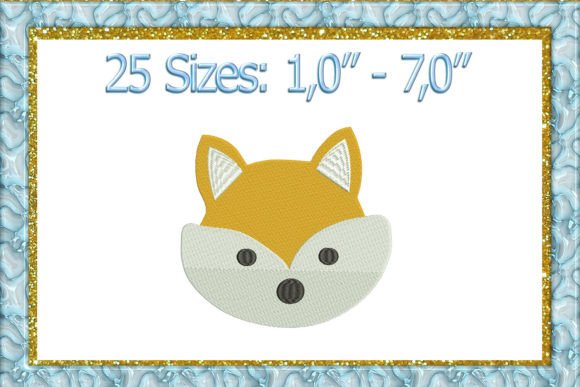
The first thing that strikes you about the Fox Embroidery Design is its approachable charm. The description highlights a "lovely fox head," which immediately suggests a aesthetic that is friendly, rustic, and slightly playful. For brands in the handmade sector, such as local bakeries, florists, or pet supply shops, this visual personality is gold. It does not scream corporate rigidity; instead, it whispers warmth and craftsmanship.
However, "lovely" can sometimes mean "delicate," which raises questions about durability and visibility. In my initial assessment, the design feels more decorative than bold. This makes it an excellent candidate for lifestyle brands rather than industrial or high-impact sports branding. The appeal lies in its ability to humanize a brand, making it feel accessible and community-oriented. When considering this for your design assets, ask yourself if your target customer responds better to elegance or playfulness. This fox leans toward the latter, offering a whimsical touch that works beautifully on custom apparel intended for casual wear or children’s items.
Real-World Applications for Small Business Merch
The true test of any digital embroidery file is its versatility across different substrates. The product description suggests using this fox on kids' clothing, backpacks, tote bags, pillowcases, and framed art. From a business perspective, here is how I see this design performing in real-world scenarios:
- Tote Bag Design: A canvas tote is the perfect canvas for this motif. The texture of canvas holds stitches well, allowing the fox to stand out as a central branding element. It transforms a simple bag into a walking advertisement for your creative studio or boutique.
- Apron Embroidery: For cafes and bakeries, staff uniforms are key touchpoints. Placing this fox on the chest pocket of an apron adds a signature mark that customers remember. It signals attention to detail and reinforces the shop’s rustic or artisanal vibe.
- Cap Embroidery: While possible, cap fronts are curved and unforgiving. This design would work best if simplified or scaled down significantly to fit the limited hoop space without distorting the facial features of the fox.
- Branded Patches: Creating an embroidered patch allows for maximum flexibility. You can sew these onto jackets, hats, or even include them as free gifts with online orders. A patch format also mitigates the risk of hooping difficult garments directly.
For Etsy sellers and crafters, this design offers a quick way to add value to plain goods. A simple pillowcase becomes a premium home decor item with the addition of this fox. Similarly, framing the embroidery as art appeals to buyers looking for unique, handmade wall decor.
Technical Considerations and Production Risks
While the aesthetic is strong, technical execution is where many designs fail. As a designer, I must warn against assuming this file is ready for any fabric without testing. The description notes that the design comes in multiple formats, but it does not specify the stitch density or exact hoop size requirements. These are critical details for production.
If the stitch count is too high for the size of the fox head, you risk "bird nesting" or puckering, especially on lighter fabrics like t-shirts or pillowcases. Conversely, if the density is too low, the underlying fabric might show through, ruining the professional look. I strongly advise running a test stitch-out on a scrap piece of the actual material you intend to use. Pay close attention to the thread colors chosen. A fox typically involves oranges, whites, and blacks. Ensure there is sufficient contrast between these colors and your base fabric. Stitching a light-colored fox onto a dark uniform requires careful planning, possibly involving an underlay or a backing patch to prevent the dark fabric from bleeding through.
Another concern is the level of detail in the eyes and fur. On very small scales, such as a tiny chest logo on a child’s shirt, fine details can merge into a blob. If you plan to use this as a small accent, verify that the outlines remain crisp at reduced sizes. For items that undergo frequent washing, such as custom apparel or tote bags, ensure you use a high-quality stabilizer to maintain the shape of the design over time.
Impact on Brand Identity and Customer Trust
Consistency is the cornerstone of brand identity. Using a cohesive visual element like the Fox Embroidery Design across various touchpoints builds recognition. When a customer sees the same fox on your website, your packaging, and your staff’s aprons, it creates a sense of professionalism and reliability. It tells the customer that you care about the details.
Moreover, handmade products carry an emotional weight. An embroidered fox feels personal and curated, unlike a mass-printed logo. This perception increases the perceived value of your small business merch. Customers are often willing to pay more for items that feature intricate needlework because they associate it with labor, skill, and quality. By integrating this design into your product line, you are not just selling a item; you are selling a piece of artistry that aligns with the values of the modern consumer who supports local and independent creators.
Practical Designer Notes for Implementation
Before launching this design into your commercial workflow, follow these steps to ensure success:
- Test in Black and White: Before committing to colorful threads, stitch the design in black thread on white fabric. This helps you evaluate the clarity of the shapes and the balance of positive and negative space without the distraction of color.
- Check Commercial Licensing: The description mentions it is for various uses, but always confirm the license terms. Ensure you have the right to use this commercial embroidery file for products you intend to sell, not just for personal projects.
- Create a Printable Mockup: Use digital tools to place the fox on images of your actual products. This helps visualize scale and placement before you waste thread and fabric.
- Evaluate Fabric Texture: Rough textures like burlap may require a denser stitch pattern or a satin border to look clean, while smooth cottons will show every imperfection. Adjust your stabilizer choice accordingly.
- Compare with Other Assets: Place this fox beside your existing logos and fonts. Does it complement them? Or does it clash in style? Visual consistency is key to a polished brand presentation.
In conclusion, the Fox Embroidery Design is a promising asset for small businesses looking to add a touch of whimsy and warmth to their merchandise. It excels in applications like tote bags, aprons, and patches where its friendly character can shine. However, success depends on rigorous technical testing regarding stitch density, fabric compatibility, and sizing. By treating this embroidery file with the professional scrutiny it deserves, you can transform a simple digital download into a powerful tool for brand building and customer engagement.