Review: Melting Skull Embroidery Digitizing for Real Projects
As a designer who has spent countless hours staring at stitch maps and testing tension on various fabrics, I approach every new machine embroidery design with a mix of curiosity and skepticism. We have all seen the trend of edgy, gothic aesthetics flood the market, but few designs manage to balance artistic sophistication with technical stitchability. Recently, I had the chance to evaluate Melting Skull Embroidery Digitizing, and I want to share my practical insights on how this pattern performs in real-world scenarios, far beyond the glossy preview images.
First Impressions and Visual Mood
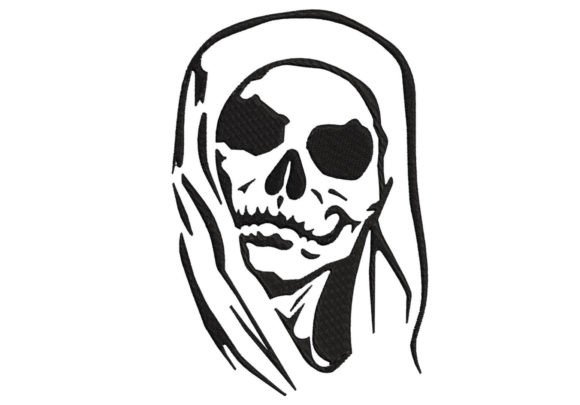
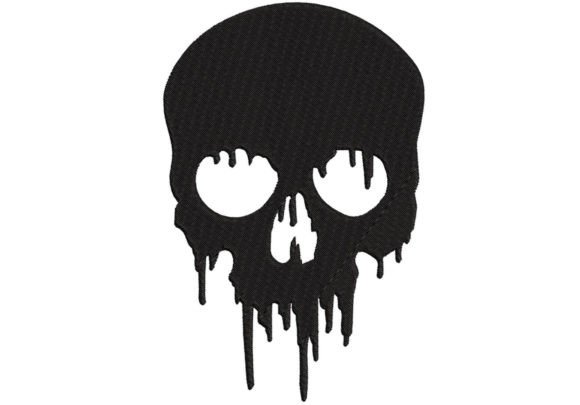
The moment I loaded the file into my editing software, the structure of the design caught my eye. This is not your standard, cartoonish skeleton motif. The concept of a "melting" skull suggests fluidity and decay, which can be notoriously difficult to translate into thread without looking messy. However, this embroidery file manages to capture that eerie, dripping aesthetic while maintaining clean lines. The mood it creates is dark yet playful, making it a perfect fit for Halloween projects that aim for a boutique feel rather than a cheap novelty look.
What stands out immediately is the interplay between dense areas and open spaces. A poorly digitized melting effect often results in excessive fill stitch usage, leading to puckering or thread breaks. Here, the digitizer has made smart choices, likely utilizing a combination of satin stitch for the sharper contours of the bone structure and strategic fill patterns for the melting drips. This variation adds texture and depth, ensuring the finished product looks professional rather than flat.
Real-World Application: The Custom Sweatshirt Test
To truly understand the value of any design, you must imagine it on a tangible product. I envisioned using Melting Skull Embroidery Digitizing for a custom apparel line targeting young adults who appreciate alternative fashion. Specifically, I pictured it centered on the back of a heavyweight black cotton sweatshirt. This is a popular item for Etsy sellers and small shop products because it offers a large, stable canvas for detailed work.
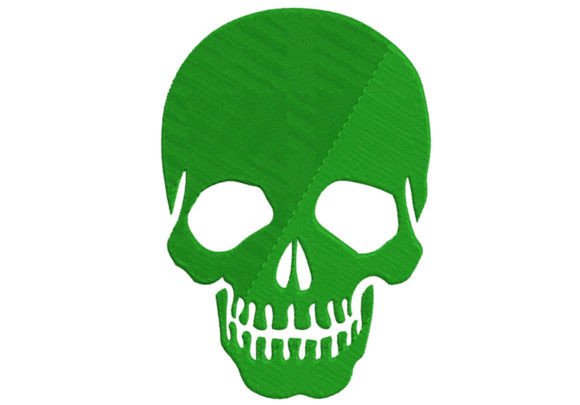
In this scenario, the design’s intricate details would shine. The contrast of bright white or neon green thread against dark fabric would make the skull pop, creating a striking visual statement. For a craft business, this kind of high-impact imagery drives buyer engagement. It is not just a logo; it is a piece of art that customers want to wear. The design feels substantial enough to justify a higher price point, enhancing the perceived value of the handmade product.
Versatility Across Product Types
Beyond apparel, this design shows promise in several other categories. Consider an embroidered patch. Patches are durable, easy to ship, and allow customers to customize their own gear. The bold outlines of the skull would hold up well even when cut out and ironed onto denim jackets or backpacks. Alternatively, think about a tote bag design. A canvas tote with this edgy motif appeals to shoppers looking for unique accessories that stand out from mass-produced items.
However, context matters. While this design is fantastic for holiday embroidery during October, its appeal extends year-round for specific niches. It could work beautifully on aprons for a rock-and-roll themed kitchen, or even as a quirky accent on pillow covers for a teen’s bedroom. The key is matching the design’s personality with the right audience. It is less suitable for delicate baby embroidery or soft nursery decor, where softer, gentler themes are expected.
Technical Considerations and Stitching Challenges
Before you rush to hoop up your machine, there are critical technical factors to consider. The term "intricate" in the product description is a double-edged sword. Intricacy means more stitches, which means more time and potential for issues if not handled correctly.
- Stitch Density: Check the density settings in your software. If the melting drips are too dense, they may cause the fabric to pucker, especially on thinner materials like t-shirts. Always test on scrap fabric first.
- Fabric Texture: This design will perform best on stable, medium-to-heavyweight fabrics. Avoid stretchy knits unless you use a strong cut-away stabilizer. Textured fabrics like terry cloth might obscure the finer details of the melting effect.
- Hoop Size: Ensure your hoop size accommodates the full design without needing to re-hoop. Re-hooping can lead to alignment issues, which would ruin the symmetry of the skull.
- Thread Colors: The visual impact relies heavily on contrast. Use high-quality threads to prevent breakage in dense areas. Consider testing different color combinations to see which best highlights the "melting" illusion.
One area requiring caution is curved surfaces, such as caps. Embroidering a large, detailed skull on a structured cap can be challenging due to the curvature. The design might distort if not properly centered and stabilized. For custom apparel like hats, I recommend resizing the design to ensure it fits comfortably within the standard cap frame without compromising detail.
Commercial Viability and Brand Consistency
For commercial embroidery professionals and digital product sellers, licensing is paramount. Before selling finished items or offering this as a digital embroidery file, confirm the license terms provided by the creator. Assuming commercial use is permitted, this design can be a strong asset for brand consistency if your shop specializes in edgy, alternative, or horror-themed goods.
Creating printable mockups and digital previews featuring Melting Skull Embroidery Digitizing can significantly boost online sales. Show the design on various products—sweatshirts, patches, and bags—to help customers visualize the final result. High-quality photos that highlight the stitch clarity and texture will build customer trust and reduce return rates.
Final Verdict for Designers and Makers
In conclusion, Melting Skull Embroidery Digitizing is a compelling choice for designers looking to add a touch of dark elegance to their portfolio. It bridges the gap between artistic expression and technical feasibility, provided you respect its complexity. It is not a beginner-friendly "click and stitch" option for fragile fabrics, but for experienced makers working with stable materials, it offers a high reward.
Whether you are creating a personalized gift for a friend who loves gothic aesthetics or stocking your Etsy seller shop with unique design assets, this pattern holds up under scrutiny. Just remember to check the specific file formats and compatibility with your machine, review the stitch count to estimate production time, and always run a test stitch. When executed with care, this design transforms simple fabric into a standout piece of wearable art.