Retro 50s Camper Linework Embroidery Review
As an embroidery designer who has spent years digitizing and testing designs for commercial use, I approach every new machine embroidery design with a critical eye. It is not just about whether a motif looks cute on a screen; it is about how it performs under the needle, how it translates to fabric, and ultimately, how it serves the brand identity of the small business using it. Recently, I evaluated the Retro 50s Camper Linework Embroidery, a charming piece within the Transportation category that promises versatility for clothes, bags, and home decor. Here is my professional assessment of its viability for branded merchandise and small business applications.
First Impressions: Visual Personality and Brand Fit
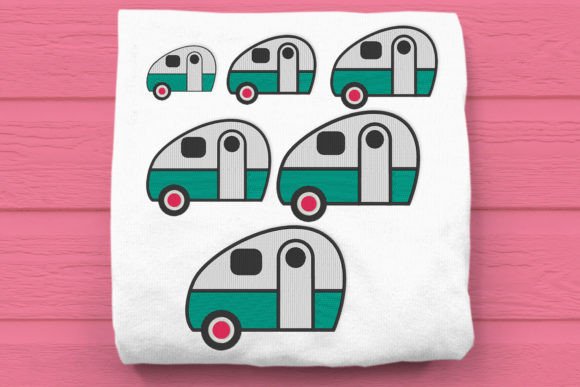
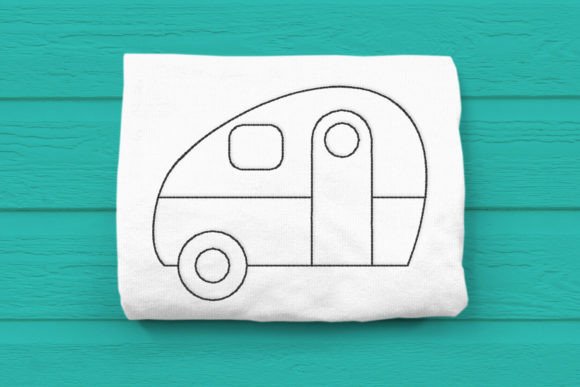
The immediate appeal of this digital embroidery file lies in its linework style. Unlike heavy fill stitches that can feel bulky or rigid, linework offers a hand-drawn, artisanal aesthetic. This specific design features a retro RV camper, evoking feelings of nostalgia, freedom, and adventure. For a boutique owner or a creative studio, this visual language signals "friendly," "rustic," and "handmade" rather than corporate or sterile.
When considering brand identity, this design works exceptionally well for businesses that want to project a warm, welcoming, and slightly vintage vibe. Think of local coffee shops, florists, pet brands, or travel-themed Etsy sellers. The simplicity of the lines suggests elegance without pretension, making it a strong candidate for companies aiming to build customer trust through approachable, high-quality visuals.
Performance in Real-World Business Use
The true test of any embroidery file is its adaptability across various products. I analyzed how this camper design would function in several common small business scenarios:
- Embroidered Patches: This is perhaps the strongest application. The clean outlines allow for crisp cutting edges if you are creating iron-on or sew-on patches. It serves as an excellent standalone badge for jackets or backpacks.
- Custom Apparel and Uniforms: For staff uniforms in cafes or boutiques, placing this design on the left chest area creates a subtle yet recognizable brand mark. It avoids the heaviness of large logos, keeping the uniform looking professional and modern.
- Apron Embroidery: In the food service or craft industry, branded aprons are walking advertisements. The linework style holds up well on canvas or denim aprons, adding a touch of personality to functional workwear.
- Tote Bag Design: Canvas tote bags are a staple for retail merchandise. The retro camper motif aligns perfectly with the eco-friendly, reusable nature of totes, enhancing the perceived value of the finished product.
- Cap Embroidery: While possible, this requires careful scaling. The curved surface of a cap front can distort detailed linework, so this design is best suited for slightly larger caps or simplified versions if available.
Technical Considerations and Production Notes
While the aesthetic is appealing, production reality demands attention to detail. As a designer, I always advise checking specific technical parameters before committing to a large run. Since the product description notes this is a machine embroidery design but does not specify exact stitch counts or formats, you must verify these details with the seller.
Stitch Density and Fabric Texture: Linework designs generally have lower stitch density than fill designs, which is advantageous for lightweight fabrics like t-shirts or pillowcases. However, on textured fabrics like thick wool or rough canvas, thin lines can get lost. I recommend testing the design on your specific material to ensure visibility. If the lines are too fine, they may break or appear fragmented on coarse weaves.
Stabilizer Selection: Because this is a linework design, proper stabilization is crucial to prevent puckering. A cut-away stabilizer is often safer for garments that will undergo frequent washing, while tear-away might suffice for stable home decor items like frame art. Always hoop your fabric tightly to maintain the integrity of the camper’s outline.
Thread Color Contrast: The success of linework relies heavily on contrast. On dark uniforms, ensure you are using high-visibility thread colors. A monochrome test stitch-out in black and white is a smart first step to evaluate clarity before committing to colored threads.
Strategic Placement and Caution Areas
Not every item is suitable for every design. While Retro 50s Camper Linework Embroidery is versatile, there are areas where caution is needed. Small patch sizes can cause the finer details of the camper’s windows or wheels to merge, losing definition. If you are producing tiny labels or tags, ensure the design scales down without losing its recognizable shape.
Additionally, consider the end-user’s care routine. Items that require industrial laundering, such as hospital scrubs or heavy-duty work shirts, may degrade fine linework faster than bold fills. For high-wear items, consider reinforcing the design or using it as a secondary accent rather than the primary logo.
Enhancing Brand Value and Customer Engagement
Incorporating this design into your small business merch strategy can significantly boost buyer engagement. Customers today value authenticity. A well-executed embroidered camper on a tote bag or a custom notebook cover feels like a curated, thoughtful gift rather than mass-produced swag. This perception increases the perceived value of your handmade product line.
For Etsy sellers and crafters, using this design in printable mockup presentations can help visualize the final product for clients. Showcasing the design on various design assets—such as mockups of hats, bags, and shirts—helps customers imagine the item in their own lives, driving conversion rates.
Final Designer Recommendations
Before launching this design in your commercial embroidery projects, follow this checklist:
- Verify Licensing: Confirm that the digital embroidery file includes commercial use rights. Never assume; always read the license terms provided by the creator.
- Test Hoop Size: Ensure the design fits comfortably within your standard hoop sizes without requiring excessive re-hooping, which can lead to alignment issues.
- Create Client Mockups: Use the design in digital mockups to present options to clients for approval before stitching.
- Check File Formats: Ensure you have the correct file format for your specific embroidery machine model to avoid conversion errors.
In conclusion, the Retro 50s Camper Linework Embroidery is a strong contender for small businesses looking to add a touch of nostalgic charm to their merchandise. Its versatility across apparel, accessories, and home decor makes it a valuable asset in your design library. By paying attention to technical details like stabilizer choice and fabric texture, you can ensure a professional, high-quality result that enhances your brand’s reputation and delights your customers.