Kawaii Bear Embroidery Design: A Seasonal Review
As an embroidery designer who spends countless hours digitizing and testing files for the holiday rush, I approach every new machine embroidery design with a critical eye. The question is never just about whether the file stitches out cleanly; it is about whether the design carries enough emotional weight to stop a scrolling shopper in their tracks during the busiest shopping season of the year. Recently, I reviewed the Kawaii Bear Embroidery Design with the specific intent of integrating it into a seasonal product collection. My goal was to determine if this asset could serve as a versatile cornerstone for holiday gifts, home decor, and limited-edition apparel drops.
First Impressions and Seasonal Mood
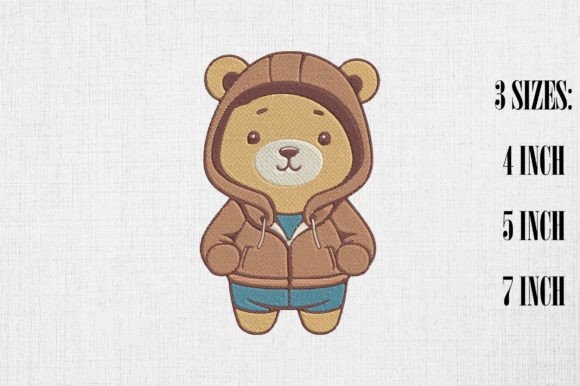
The immediate impression of the Kawaii Bear Embroidery Design is one of warmth and approachable charm. In the world of Teddy Bears and plush aesthetics, there is a fine line between childish and universally appealing. This design leans heavily into the "kawaii" style—characterized by exaggerated cuteness, soft curves, and expressive features—which translates beautifully into seasonal embroidery. It does not scream "Christmas" with overt symbols like snowflakes or holly, which actually works in its favor. Instead, it offers a cozy, nostalgic vibe that fits seamlessly into winter collections, Valentine’s Day launches, or even spring baby showers.
The decorative style is playful yet clean. For an Etsy seller or small business owner, this versatility is crucial. A design that is too specific to one holiday has a short shelf life. However, a cute bear can be dressed up with a Santa hat in December, a heart in February, or a pumpkin in October simply by changing the thread colors or adding small auxiliary elements. This adaptability makes it a high-value asset for any digital embroidery file library.
Performance in Real Holiday Selling Situations
When planning a small shop product lineup, I look for designs that perform well across multiple substrates. The Kawaii Bear Embroidery Design shines in several key areas:
- Sweatshirt Embroidery: The bold lines of the bear hold up well on fleece and cotton blends. It creates a premium look on crewnecks and hoodies, which are top sellers during the cold months.
- Home Decor and Kitchen Towels: The description notes that you can embroider this design on kitchen towels and tablecloths. In practice, this works exceptionally well for gift bundles. A set of monogrammed towels featuring the bear adds a personalized touch that elevates a simple household item into a thoughtful handmade gift.
- Baby Items: Onesies and bibs are perennial bestsellers. The cute aesthetic aligns perfectly with baby shower gifts. However, care must be taken with placement to ensure comfort against sensitive skin.
- Tote Bag Design: Canvas totes benefit from sturdy stitching. This design provides a great focal point for eco-friendly holiday shopping bags or teacher appreciation gifts.
For commercial embroidery purposes, the visual recognition factor is high. Customers respond positively to character-based designs because they evoke an emotional connection. When used in social media previews or printable mockup graphics, the bear acts as a friendly mascot for your brand, increasing engagement and trust.
Technical Considerations and Placement Strategy
While the aesthetic appeal is strong, practical application requires attention to detail. As a designer, I always advise checking the specific technical specs before hitting "start" on your machine. Since the product description mentions that this machine embroidery design comes with multip, it is vital to confirm the exact hoop size requirements for each version. Using a hoop that is too small can truncate details, while a hoop that is too large may require excessive trimming and stabilizer management.
Stitch density is another critical factor. On thick materials like terry cloth towels or heavy sweatshirts, a high-density design can cause puckering. I recommend using a cut-away stabilizer for garments that will undergo repeated washing, such as t-shirts and baby onesies. For decorative items like pillow covers or wall hangings, a tear-away stabilizer might suffice, but always test first.
There are specific scenarios where this design should be used carefully:
- Dark Fabric: If you are stitching on black or navy fabric, ensure your thread colors have enough contrast. You may need to adjust the color palette in your software to prevent the bear from getting lost in the background.
- Stretchy Garments: Knits and spandex blends require careful hooping. The weight of the embroidery can distort the fabric if not properly supported.
- Curved Caps: While possible, embroidering a detailed bear on a curved cap brim or crown requires precise centering and potentially a smaller version of the file to avoid distortion.
- Metallic Thread: If you plan to use metallic threads for a festive sparkle, be aware that they are more prone to breaking. Reduce machine speed and check tension frequently.
Enhancing Buyer Emotion and Product Value
The true power of the Kawaii Bear Embroidery Design lies in its ability to enhance the perceived value of the finished product. A plain white tote bag becomes a cherished accessory when adorned with this cute character. A standard kitchen towel transforms into a heirloom-quality item for a new homeowner. This emotional lift is what drives sales during the holiday season.
For personalized gift creators, this design serves as an excellent base. You can add names, dates, or short messages below or beside the bear. This customization increases the giftability of the item, making it ideal for family matching sets or commemorative ornaments. When customers see a product that feels unique and tailored, they are less price-sensitive and more likely to complete the purchase.
Practical Designer Notes for Implementation
Before adding this embroidery file to your seasonal catalog, follow these steps to ensure quality consistency:
- Test Thread Colors: Stitch out the design on both light and dark fabric swatches. Create a color chart that complements the bear’s features while matching your brand’s seasonal palette.
- Check Small Details: Zoom in on the stitched sample. Are the eyes symmetrical? Is the nose secure? Tiny details define the quality of kawaii styles.
- Confirm Licensing: Always verify the commercial license terms provided with the digital file. Ensure you are compliant with usage rights for selling physical goods.
- Create Realistic Mockups: Use high-quality photos of the stitched item on actual products rather than just digital overlays. Show the texture of the thread and the drape of the fabric.
- Fabric Texture Matters: Remember that the same design will look different on smooth cotton versus textured linen. Adjust your expectations and marketing images accordingly.
In conclusion, the Kawaii Bear Embroidery Design is a robust addition to any holiday product lineup. Its blend of cuteness, versatility, and emotional appeal makes it suitable for a wide range of applications, from kitchen towel embroidery to embroidered patch creations. By paying attention to technical details like stabilizer choice and stitch density, you can produce high-quality items that resonate with shoppers looking for meaningful, handmade treasures. Whether you are decorating apparel or creating home accents, this design offers the flexibility needed to succeed in the competitive seasonal market.