Basketball Embroidery Mastery: A Designer’s Review
As an embroidery designer who has spent countless hours hunched over a hoop and even more time standing behind a craft fair booth, I know that not every machine embroidery design is created equal. Some designs look fantastic on a screen but fail miserably when stitched out on textured fabric. Others are so dense they ruin the drape of a garment. Today, I am putting Basketball Embroidery Mastery under the microscope. This isn’t just about aesthetics; it is about viability for the small shop owner, the Etsy seller, and the weekend warrior looking to make a splash at the local handmade market.
First Impressions: Energy Meets Precision
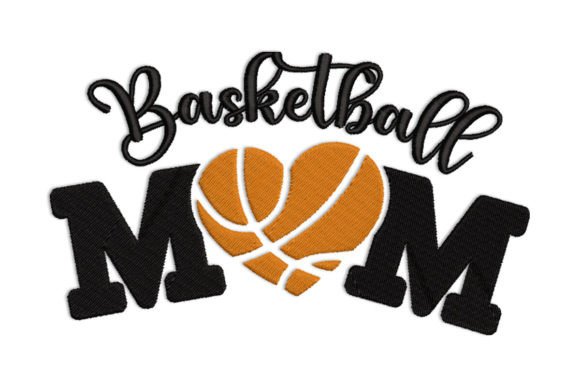
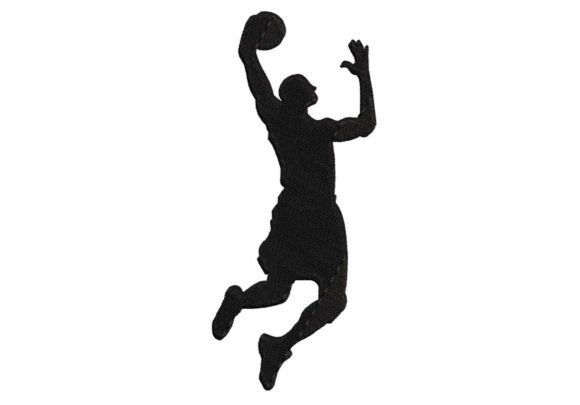
The title alone suggests ambition. Basketball Embroidery Mastery promises to elevate basketball gear, and the description hints at "SwishCraft Precision." From a branding perspective, this feels modern, energetic, and bold. It does not lean into the rustic or farmhouse aesthetic that saturates many craft fairs. Instead, it targets a specific niche: sports enthusiasts, school spirit shoppers, and active lifestyle buyers. The vibe is premium and dynamic. When I imagine this design on a table display, I see it cutting through the noise of floral patterns and generic quotes. It speaks directly to a customer base that values performance and passion.
Product Versatility and Market Fit
The true test of any digital embroidery file is its adaptability. Can it survive the transition from a digital asset to a tangible handmade product? I evaluated how this design would perform across various items typical of a craft fair booth.
- Tote Bags and Market Bags: A large-scale version of this design would serve as an excellent tote bag design. Canvas bags are sturdy enough to handle higher stitch counts, and the bold nature of basketball imagery stands out well against natural or dark fabrics.
- Aprons and Kitchen Textiles: For apron embroidery, placement is key. A chest-pocket-sized motif works better than a full-front design, which might feel too heavy. Similarly, tea towel embroidery requires a lighter touch. If the design has dense fill areas, it may pucker thin cotton towels unless properly stabilized.
- Caps and Headwear: This is where precision matters most. Curved surfaces are unforgiving. If Basketball Embroidery Mastery includes fine details or tiny lettering, it may lose clarity on a structured cap. However, a simplified version could make for a striking embroidered patch that is then sewn or ironed onto hats, offering a safer production route.
- Pillow Covers and Pouches: These items allow for creative experimentation. A zippered pouch with a bold basketball motif makes for a compelling small shop product, especially for gym-goers or students.
Production Practicalities for the Busy Crafter
When preparing for a craft fair, batch production is essential. You cannot afford to spend three hours hooping and stitching a single item if your profit margin is slim. Here is how I assess the production value of this design.
Visual Clarity at a Glance: In a busy booth, customers scan tables quickly. Does the design communicate its theme instantly? Basketball imagery is universally recognized. If the digitizing captures the motion of the ball or the net effectively, it will draw attention from across the aisle. This immediate recognition reduces the need for excessive signage.
Photography and Online Listings: For the Etsy seller, visual appeal drives clicks. A design with good contrast and clean lines photographs well. If Basketball Embroidery Mastery uses vibrant thread colors against contrasting fabrics, it will pop in thumbnail images. Creating a printable mockup or high-quality photo of the finished product is crucial for digital listings.
Repeatability: Consistency is king. If the design relies on complex color changes or fragile threads, it increases the risk of errors during mass production. A robust design allows you to stitch multiple units with minimal intervention, freeing up time to engage with customers rather than troubleshoot machine jams.
Careful-Use Notes and Technical Considerations
While the concept is strong, execution depends on technical details. Since the provided description does not specify exact stitch counts or file formats, I must advise caution. Before committing to a large run, consider these factors:
- Stitch Density: High density can make fabric stiff. On items like tea towels or lightweight tote bags, this can be detrimental. Check if the design uses satin stitches efficiently or if it relies heavily on fill stitches that add bulk.
- Fabric Texture: Textured towels or thick denim can obscure fine details. Ensure the design elements are large enough to remain visible on rougher fabric texture surfaces.
- Small Lettering: If the design includes text, verify its legibility at smaller sizes. Tiny letters often merge together when stitched, especially on curved surfaces like caps.
- Dark Fabric Compatibility: Bright, energetic designs often require underlay stitches to prevent the background fabric from showing through. Test on black or navy fabric to ensure the colors remain vibrant.
Enhancing Brand and Buyer Engagement
Using Basketball Embroidery Mastery effectively can strengthen your brand identity. If your shop focuses on sports or active lifestyles, this design reinforces your niche. It signals to buyers that you understand their interests. Furthermore, high-quality commercial embroidery products convey professionalism. A cleanly stitched item with no loose threads or puckering builds trust and encourages repeat business.
To maximize buyer engagement, consider creating themed bundles. Pair an embroidered tote with a matching pouch or patch. Use the design as a focal point in your booth display, perhaps on a mannequin wearing an apron or a stack of folded towels. The visual consistency helps customers visualize the product in their own lives.
Designer’s Checklist Before Production
Before you list this as a craft fair product or upload it to your online store, follow these practical steps:
- Test on Scrap Fabric: Always stitch a sample on the same material you intend to sell. This reveals issues with tension, density, or registration.
- Check Thread Contrast: Ensure your thread colors complement the fabric. High contrast usually sells better in impulse-buy scenarios.
- Review Spacing and Hoop Size: Confirm that the design fits your standard hoop size without requiring excessive re-hooping, which slows down production.
- Inspect Stitch Density: Look for areas that are overly dense. If necessary, edit the file to reduce density while maintaining visual integrity.
- Use the Right Stabilizer: Match your stabilizer to the fabric weight. Cut-away stabilizers are often best for stretchy fabrics, while tear-away works for woven materials.
- Create Real Mockups: Photograph the actual stitched item. Digital renderings are useful, but real photos build credibility.
- Confirm Commercial Licensing: Verify that your purchase of the design assets includes rights for commercial use. Never assume; always read the license terms provided by the digitizer.
In conclusion, Basketball Embroidery Mastery holds significant potential for sellers targeting the sports and active lifestyle market. Its success lies in careful technical execution and strategic product placement. By respecting the limitations of different fabrics and prioritizing production efficiency, you can turn this digital file into a profitable line of finished product offerings that resonate with customers and stand out in the crowded handmade marketplace.