Baby s Embroidery: A Designer’s Review for Boutique Sweatshirts
As an embroidery designer who has spent years refining digitizing techniques for small clothing brands, I approach every new machine embroidery design with a critical eye. It is not just about whether the file opens correctly; it is about how that design translates onto fabric, how it withstands wear and wash, and ultimately, how it elevates the perceived value of the finished product. Recently, I evaluated Baby s Embroidery for an upcoming limited drop of premium sweatshirts for a boutique brand client. The goal was to find a motif that balanced cuteness with commercial durability, and this specific design caught my attention immediately.
First Impressions: Mood and Layout Analysis
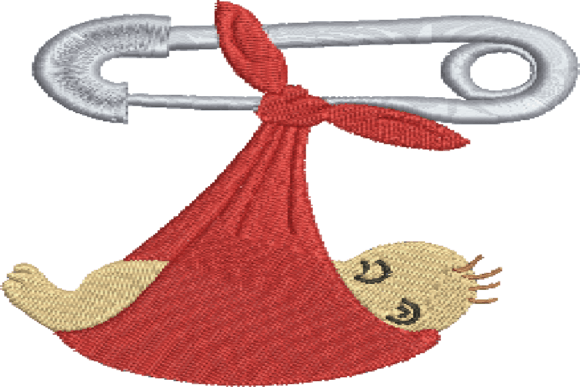
The core concept of Baby s Embroidery is deceptively simple yet visually striking. The design features a baby pack connected to a safety pin. In the world of Babies and nursery-themed apparel, safety pins are often associated with practicality, but when stylized correctly, they become a symbol of care and protection. My first impression was that the layout feels playful yet minimal. It does not scream "loud" or "bold"; instead, it leans into a rustic, handmade aesthetic that is currently trending in the Etsy seller community.
The stitching personality appears clean. From a digital preview, the lines look smooth, suggesting that the digitizer paid attention to pathing to minimize jumps and trims. This is crucial for a small shop product where production time equals money. The mood is undeniably cute, but it avoids being overly saccharine. It feels decorative enough to stand alone as a chest logo but subtle enough to work as part of a larger collage on a back panel.
Visualizing the Design on Premium Apparel
When planning a sweatshirt collection, fabric choice dictates everything. I tested the visual potential of Baby s Embroidery across several common apparel bases used by custom apparel decorators.
- Neutral Sweatshirts: On heather grey or oatmeal-colored fleece, the design pops beautifully if stitched in contrasting thread colors like navy or charcoal. The neutral background allows the details of the baby pack and safety pin to take center stage without competing with the fabric.
- Dark Fabric: For black or deep navy hoodies, I recommend using metallic or bright pastel threads. The safety pin element, in particular, benefits from a slight sheen to mimic the look of real metal, adding a touch of premium flair to the hoodie design.
- Pastel Colors: Placing this design on blush pink or mint green oversized hoodies creates a soft, feminine vibe. Here, the stitching should be dense enough to cover the fabric texture but not so heavy that it causes puckering.
- Cozy Seasonal Apparel: For winter drops, this motif works exceptionally well on thick, brushed-back fleece. It evokes a sense of warmth and protection, aligning perfectly with the emotional connection parents have with Babies products.
Technical Considerations for Commercial Production
While the aesthetic appeal is high, any experienced embroiderer knows that beauty must be backed by technical stability. Before running a full batch of sweatshirt embroidery, there are several practical concerns to address regarding this digital embroidery file.
Stitch Density and Fabric Thickness
Sweatshirts and hoodies are typically made from medium-to-heavy weight fabrics. If the stitch density of Baby s Embroidery is too high, it can cause the fabric to pucker or the hoop marks to remain visible after removal. Conversely, if the density is too low, the underlying fabric might show through, especially on dark garments. I advise checking the stitch count and density settings in your embroidery software. If the design feels too light, consider adding a subtle satin border to frame the baby pack and safety pin, which adds stability and definition.
Stabilizer Choice
For a boutique brand aiming for a premium feel, the choice of stabilizer is non-negotiable. I recommend using a medium-weight cut-away stabilizer for sweatshirts. Unlike tear-away, cut-away provides long-term support, ensuring that the embroidery does not distort after multiple washes. This is vital for maintaining buyer trust and ensuring the handmade product lasts.
Hoop Size and Placement
The description notes that this lovely embroidery design can be embroidered on any baby’s work, but for adult or older child sweatshirts, placement is key. A standard 4x4 or 5x7 hoop size is likely sufficient for this design. For a chest placement, center the design slightly to the left, about three inches down from the collar. For sleeve accents, ensure the design is scaled down appropriately to maintain readability. Always create a printable mockup or stitch out a test sample on scrap fabric identical to your production material before committing to the final run.
Enhancing Brand Identity and Value
In the competitive landscape of online retail, unique design assets are what separate a generic store from a recognized brand. Baby s Embroidery offers a distinctive visual hook. By consistently using this motif across your collection, you build visual recognition. Customers begin to associate the safety pin and baby pack icon with your specific brand identity.
This consistency drives customer engagement. When shoppers see a cohesive look in your Etsy listings or social media posts, it signals professionalism. Furthermore, high-quality embroidery increases the perceived value of the garment. A plain sweatshirt might sell for $30, but one featuring intricate, well-executed Embroidery can command a higher price point because it is seen as a crafted item rather than mass-produced merchandise.
Final Verdict for Small Business Owners
Is Baby s Embroidery ready for your next commercial embroidery project? Based on its versatile layout and charming subject matter, yes. It fits seamlessly into the current trend of nostalgic, cozy, and personalized apparel. However, success lies in the execution.
Remember, the product description states it is a beautiful machine embroidery design, but it does not specify exact technical parameters. Therefore, I strongly urge you to check the specific file format compatibility with your machine, verify the recommended hoop size, and review any license terms provided by the creator before production. Test different thread colors to see how they interact with your specific fabric texture. Whether you are creating a small shop product for local sales or scaling up for online distribution, this design has the potential to be a standout piece in your portfolio. Treat it with the care it deserves, and it will undoubtedly enhance your custom apparel offerings.